Survivorman VR: The Descent
- Role
- Programmer
- Studio
- Cream Productions, co-produced with Occupied VR
- Type
- Freelance
- Duration
- About 6 months
- Engine
- Unity
- Platform
- Meta Quest, PlayStation VR
- Trailer
- Watch on YouTube
About
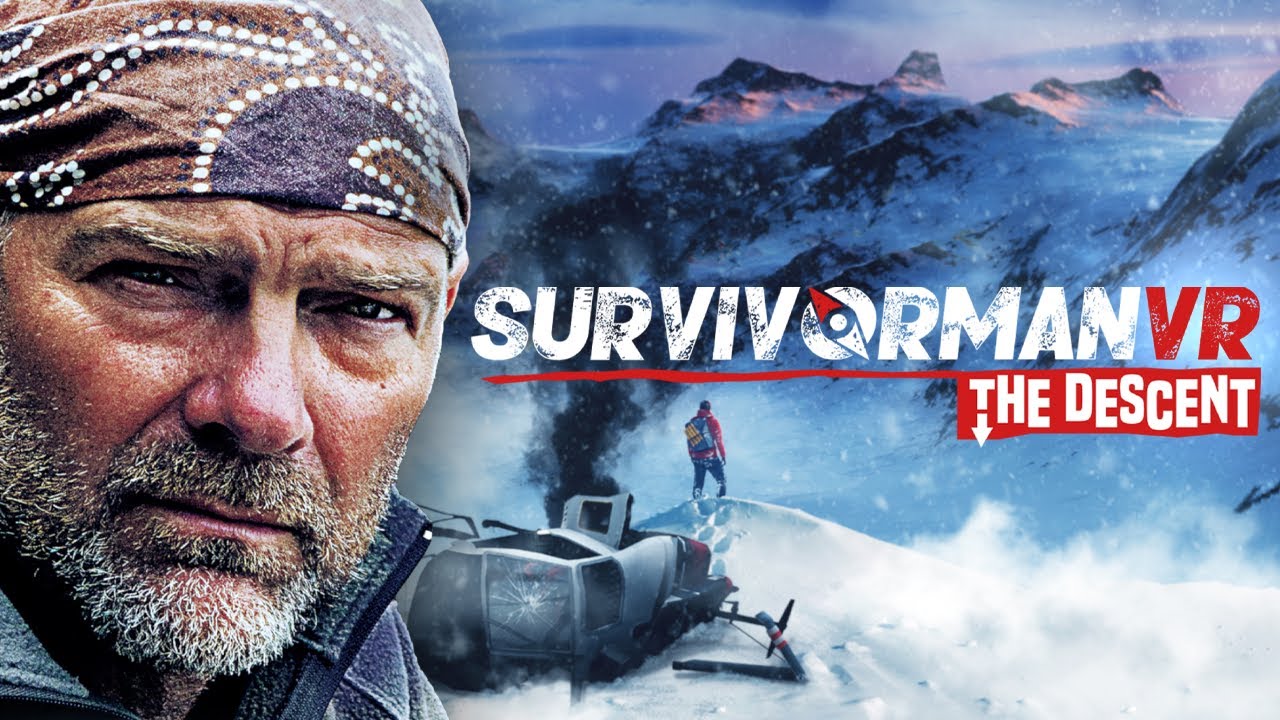
Survivorman VR: The Descent is a VR game for Meta Quest and PlayStation VR. It is a licensed game adapted from the Canadian show Survivorman starring Les Stroud. Players find themselves trapped on a glacier in the far north and must navigate the environment while completing challenges to survive.
This game was a co-production between Cream Productions and Occupied VR.
What I did
During my time with Cream on this project, I worked on many different areas of the project, from gameplay programming to optimization and graphics debugging.
Dynamic Digital Humans
First and foremost, I was the main developer of the Dynamic Digital Humans (DDH) animation pipeline in Unity. The DDH process derives textures and 3D models from real-world performances by actors to construct high-quality, game-ready animations.

Challenges
There were two big challenges that came with making this system:
Performance
This technology was meant to run natively on the Meta Quest 2. With Survivorman already pushing the limits of that modest system, and Meta having very strict performance requirements, the overhead for DDH had to be extremely small. Typically the limiting factors for something like this are the quality of the model, the animation(s), and the shader. With DDH, the textures for the face were baked into a video which was then projected onto the 3D model, so there was an extra consideration for the video format: we had to factor in video decoding on the Quest itself.
I used tools such as RenderDoc and the Snapdragon Profiler for extensive low-level profiling and GPU debugging, optimizing DDH to the point where it would not interfere with the performance characteristics of the game.
Syncing
Since the 3D animation, audio, and video were essentially separate, one issue that kept cropping up was keeping everything in sync. To fix this I created a system where the three subsystems (video, audio, animation) all talk to each other to stay in sync. This system also had to account for dropped video frames: since the video was the bottleneck in the whole operation, the other two systems had to adapt to it.
Minigames
In the game itself, I primarily worked on the minigames that intercut the main levels.

In this minigame, players glissade down an icy mountain slope, carefully controlling their slide to avoid obstacles and make it to the bottom. Players control their slide with a metal pole: by dragging the pole on either side of them, they control their speed and direction.